
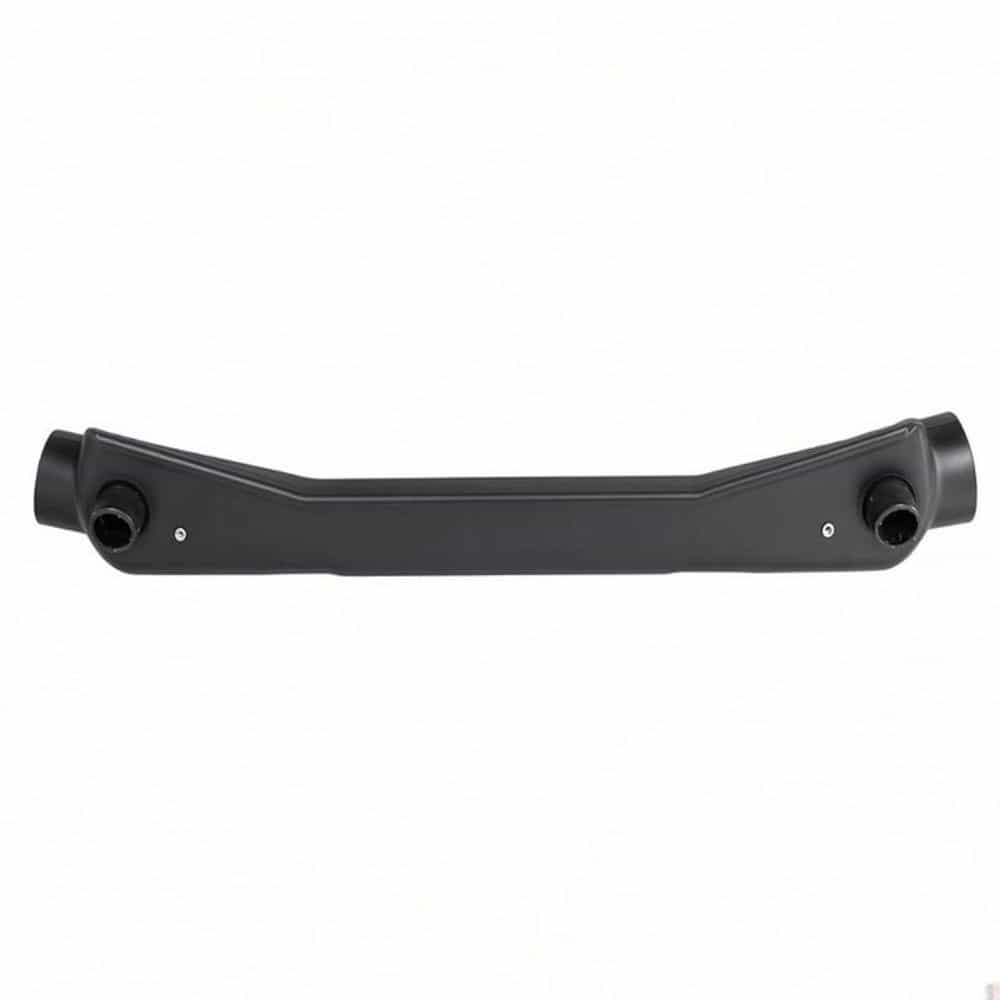
The heater channel is one of the functional parts in the heating and ventilation system of the car that transfers the hot air produced by the heater assembly to the valves inside the cabin. The health of this piece has a direct effect on the power of the wind, the uniform distribution of heat and the performance of the heater valves.
Breaking, cracking, blocking or separating the heater channel can reduce the flow of hot air, create unusual noise and waste air in the space behind the dashboard. By replacing the worn duct and using a standard product, the performance of the car's heating system improves and hot air reaches the valves with more power.
What is a heater channel and what is its use?
The heater channel is a path to direct the air flow from the fan and the heater chamber to the different cabin vents. This piece has different designs and dimensions according to the car model and may be responsible for air transfer to the central vents, side vents, under the feet or windshield.
When the heater duct is healthy and properly installed, the air flow passes through the designated path without leakage. This causes the cabin to heat up faster, the windshield works better and reduces energy loss.
Characteristics of the car heater channel
- Standard design and suitable for the ventilation path
- Suitable guidance of hot air flow
- Helps in uniform distribution of heat in the cabin
- Optimal resistance to heat
- Precise installation if a compatible model is selected
- Helps to reduce leakage and air loss
- Suitable for replacing broken or worn ducts
- Improving the performance of the car heater system
- Suitable durability in conditions Common use
- helping to increase the wind power of the vents
Why should the faulty heater channel be replaced?
The damaged channel prevents the air flow from reaching the valves completely. In this situation, even if the fan and radiator of the heater are healthy, the heating system will not be efficient. Replacing this part can increase the power of the wind and cause a better distribution of hot air in the cabin.
Long-term use of a broken channel may cause annoying noise, improper heating of the car space and poor windshield performance. Choosing a high-quality heater channel and installing it properly is a suitable solution to solve these problems.
Guide to choosing the right heater channel
The heater channels are different in terms of shape, dimensions, installation location and type of connections. To choose the right model, the exact specifications of the car must be checked. Before buying, provide the following information to the seller:
- Car name and model
- Car production year
- Type or type of room
- Channel installation location
- Left or right side of the part
- Technical number of the previous part
- Picture of old channel and installation location
The appearance similarity of two channels does not mean their complete compatibility. Differences in opening dimensions, outlet angle, location of spikes or attachment points can prevent proper installation. Therefore, it is very important to match the product specifications with the previous example.
The material and quality of making the heater channel
The heater channel must have enough resistance against heat, temperature changes and usual pressures inside the dashboard. The quality of raw materials, the accuracy of molding and the standardization of dimensions have an impact on the life and performance of the product.
A piece made from the wrong material may deform due to heat or crack after a short period of time. The standard channel should be installed in a special place without additional pressure, and its connections should be coordinated with the valves and the heater assembly.
Important points for installing the heater channel
To achieve the best performance, the installation of the heater duct must be done carefully. In some cars, accessing the channel requires opening the dashboard, console or internal frames; Therefore, it is recommended to entrust the installation of the product to an expert repairman.
When installing, the following should be checked:
- The path of the channel is clean and unobstructed.
- The spikes, fasteners and joints are healthy.
- The inlet and outlet openings are perfectly matched.
- The channel is not under abnormal pressure or tension.
- The car wiring is not blocking the air passage.
- All valves are tested after installation.
- There is no air leakage or abnormal noise. be.
Your reviews and experiences
What do you think?
Help us create better content by submitting your rating.